


Battery System
Contact Us

How to do lithium battery waterproof process
2023-08-16
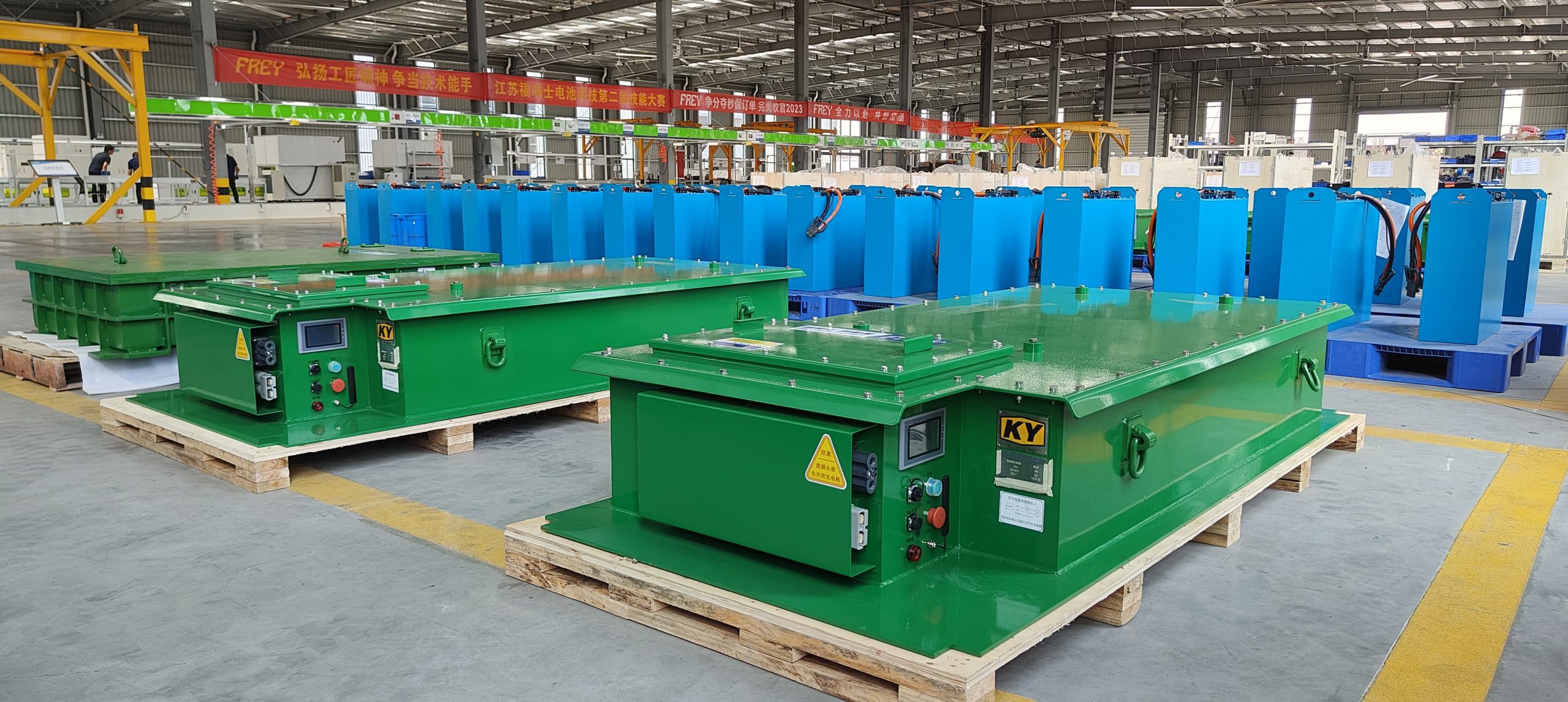
The lithium battery waterproofing process is a comprehensive process designed to protect the safety and reliability of the battery by physical and chemical means to prevent water from invading the inside of the battery. Here are some of the main steps and methods for waterproof FREY Lithium batteries:
1. Waterproof consideration in the design phase
Seal design:
When designing lithium batteries, the use environment and waterproof needs should be fully considered, and the sealing structure should be reasonably designed. Common sealing structures include O-ring, sealant and so on.
The selection of suitable sealing materials, such as rubber, silicone, etc., these materials have good elasticity and water resistance, and can effectively prevent water penetration.
Shell selection:
Choose a shell material with waterproof properties, such as a shell made of waterproof material or a shell treated with a waterproof coating.
Ensure the strength and toughness of the housing to resist external shock and vibration while maintaining water resistance.
2. Waterproof measures in the production process
Coating technology:
The surface of the lithium battery is coated with a layer of waterproof materials, such as polyurea paint, fluorinated polymer paint, etc. These coatings can effectively prevent moisture penetration, providing an additional layer of protection for the battery.
The coating should be uniform, continuous, no bubbles, cracks and other defects to ensure the waterproof effect.
Sealant use:
During assembly, a sealant is used to make a secondary seal of the battery. The sealant can fill the gaps and holes in the battery housing, effectively preventing water from entering the battery interior.
Choose a high quality sealant with water resistance and corrosion resistance to ensure its long-term effectiveness.
Waterproof film application:
A waterproof film is covered on the surface of the lithium battery to provide additional waterproof protection. The waterproof film is usually made of polymer or coating agent, and has characteristics of water resistance and chemical corrosion resistance.
The waterproof film should be tightly fitted to the surface of the battery without wrinkles, bubbles and other defects to ensure its waterproof effect.
Professional waterproof shell:
For lithium batteries that need to be used in underwater or humid environments, professional waterproof shells can be used for packaging. The waterproof shell effectively prevents the intrusion of moisture and humidity by completely encapsulating the lithium battery inside the sealable shell.
The waterproof shell should have a high degree of water resistance and be able to protect the lithium battery in extreme environments.
4. Testing and verification after waterproofing
Immersion test:
Place the lithium battery in a certain depth of water for a period of time to observe whether water penetrates into the battery. This is one of the important ways to evaluate the waterproof performance of lithium batteries.
Spray test:
The spray device is used to spray the lithium battery to simulate the water intrusion under natural conditions such as rain. Evaluate the waterproof performance of the battery by observing its performance.
5. Precautions
Do not disassemble electronic products after waterproof:
To avoid damage to waterproof measures and sealing structure.
Pay attention to the use environment:
Try to avoid using electronic products in wet environments such as heavy rain and swimming pools to reduce the risk of moisture intrusion.
Clean the housing regularly:
To keep the shell clean and dry, to prevent dirt affecting the waterproof effect.
In summary, the lithium battery waterproof process is a comprehensive process involving design, production, testing and verification. Through reasonable sealing design, selection of suitable waterproof materials and processes, and strict testing and verification measures, the waterproof performance of lithium batteries can be effectively improved to ensure its safety and reliability.
Related News
Putting Knowledge into Practice | Frey Conducts a Corporate Knowledge Assessment for Employees
On July 23, Jiangsu Frey Battery Technology Co., Ltd. organized a corporate knowledge assessment for its employees. The assessment served not only as a comprehensive review of employees’ knowledge, but also as a focused training session designed to align thinking, build ...
Regular Study Tours Continue to Gain Momentum as Faculty and Students from CUMT’s School of Materials Science and Physics Visit Frey for Industry–Academia–Research Exchange
This month, China University of Mining and Technology (CUMT) continued its series of practical study programs. Following earlier visits by faculty and students from the Applied Chemistry and Energy Chemical Engineering departments of the School of Chemical Engineering an...
Frey Golf Cart Air-Conditioning Lithium Batteries Successfully Shipped Overseas
Recently, a batch of Frey lithium batteries designed specifically for golf cart air-conditioning systems successfully completed comprehensive quality inspections, compliant packaging, and all required shipping procedures. The shipment has now officially departed for over...