


Battery System
Contact Us

Lithium battery test standards
2023-08-13
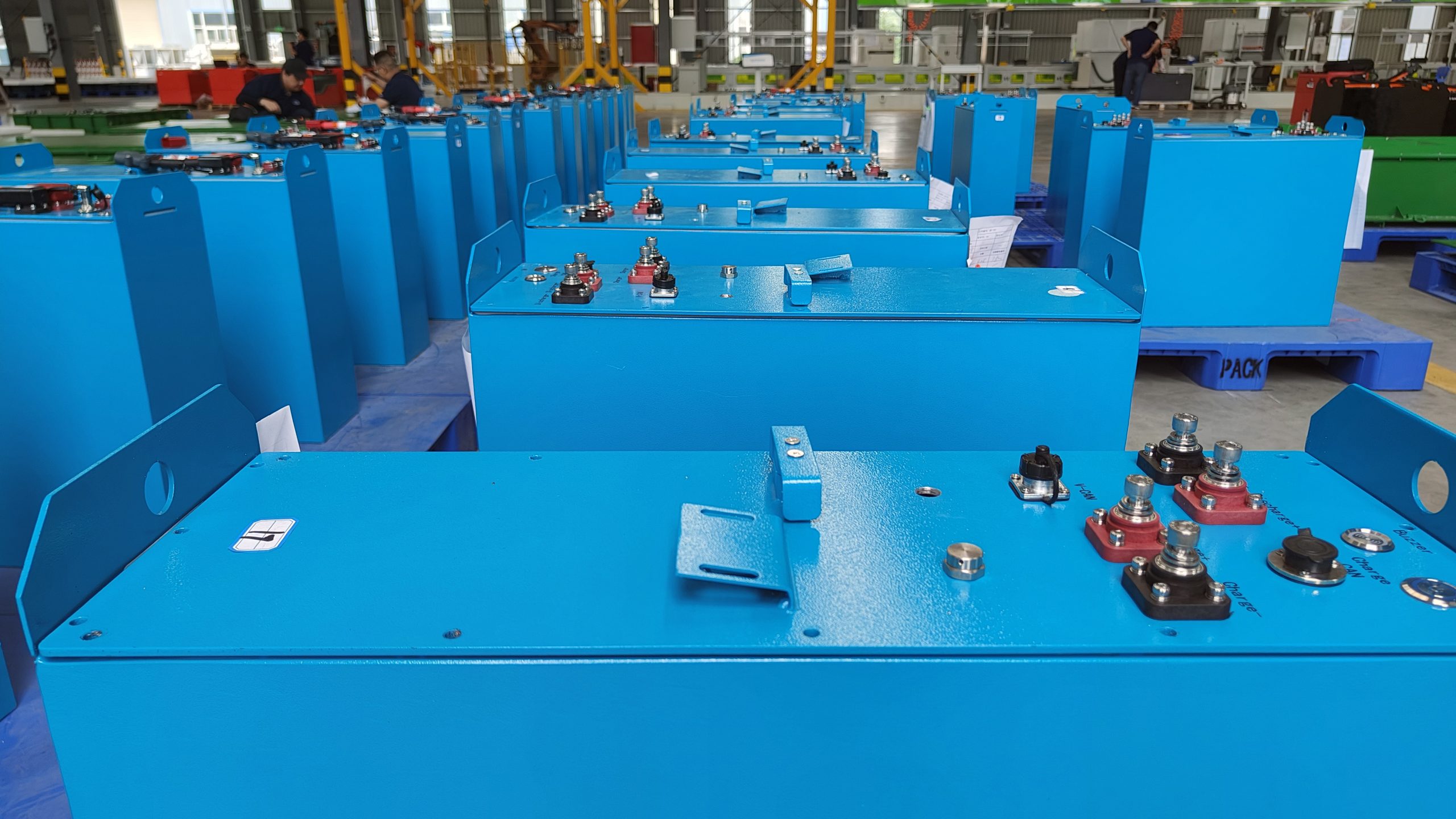
Lithium battery testing standards are developed by a number of international organizations and national standards bodies to ensure the safety, performance and quality of lithium batteries. Here is frey's summary of some of the main lithium battery testing standards and their overview:
I. International testing standards
IEC 62133:
Organization: International Electrotechnical Commission (IEC)
This standard tests the safety requirements of secondary batteries and battery packs containing alkaline or non-acidic electrolytes, and is particularly suitable for the safety testing of portable sealed secondary batteries (such as lithium-ion batteries). It ensures that lithium-ion batteries meet the safety requirements required for portable electronics and other applications, including protection against chemical and electrical hazards.
UN 38.3:
Formulation Agency: United Nations (UN)
Content: This standard test ensures that lithium-ion batteries meet the safety transportation requirements of air, sea, and land transportation. All lithium battery cells and batteries need to pass this test to ensure safety during transportation.
ECE R100:
Formulation body: Economic Commission for Europe (ECE)
This standard test is conducted on electric vehicle batteries to ensure adequate safety. It provides safety protection while the electric vehicle battery is being charged, requiring that the electric vehicle should not move or drive while the battery is being charged, and that direct contact should be avoided.
IEC 62619:
Organization: International Electrotechnical Commission (IEC)
The standard specifies the requirements required for the safe application of secondary lithium batteries and battery packs, ensuring that all lithium batteries can be safely used in electronics and other applications, including energy storage batteries.
UL 1642:
Formulated by: Underwriters Laboratories (UL)
Content: The standard requirements cover primary and secondary lithium batteries used in electronic product applications, ensuring the safe use of lithium batteries as a product power source.
UL 2580:
Formulated by: Underwriters Laboratories (UL)
The requirements of this standard ensure that the storage of electrical energy is properly assessed and that it meets its safety requirements to withstand environmental impacts under any conditions and the conditions in which the consumer handles it.
2. National standards
Taking China as an example, lithium battery testing also has corresponding national standards, such as GB 31241 series standards. Among them, GB 31241-2022 is the latest lithium battery test standard, replacing the old GB 31241-2014 standard. The new standard has been modified and increased in terms and definitions, test conditions, and general safety requirements to ensure the safety and performance of lithium batteries under various conditions.
3. Overview of test content
Lithium battery testing usually includes the following aspects:
Safety performance testing: such as short circuit test, overcharge test, overdischarge test, heat abuse test, etc., to ensure the safety of the battery in extreme circumstances.
Electrical performance testing: such as voltage, internal resistance, capacity, cycle life, etc., to assess the basic electrical performance and life of the battery.
Environmental adaptability test: such as temperature cycle test, low pressure test, vibration test, etc., to evaluate the adaptability of the battery under different environmental conditions.
Transport testing: such as UN 38.3 testing to ensure the safety of the battery during transport.
4. Summary
Lithium battery testing standards are developed by a number of international organizations and national standards bodies, covering many aspects of safety performance, electrical performance, environmental adaptability and transportation. These standards are important for ensuring the safety, performance and quality of lithium batteries. In practical applications, appropriate test standards should be selected according to specific needs and scenarios.
Related News
Putting Knowledge into Practice | Frey Conducts a Corporate Knowledge Assessment for Employees
On July 23, Jiangsu Frey Battery Technology Co., Ltd. organized a corporate knowledge assessment for its employees. The assessment served not only as a comprehensive review of employees’ knowledge, but also as a focused training session designed to align thinking, build ...
Regular Study Tours Continue to Gain Momentum as Faculty and Students from CUMT’s School of Materials Science and Physics Visit Frey for Industry–Academia–Research Exchange
This month, China University of Mining and Technology (CUMT) continued its series of practical study programs. Following earlier visits by faculty and students from the Applied Chemistry and Energy Chemical Engineering departments of the School of Chemical Engineering an...
Frey Golf Cart Air-Conditioning Lithium Batteries Successfully Shipped Overseas
Recently, a batch of Frey lithium batteries designed specifically for golf cart air-conditioning systems successfully completed comprehensive quality inspections, compliant packaging, and all required shipping procedures. The shipment has now officially departed for over...